.svg)
-1.png?width=50&name=Team%20pics%20(2)-1.png) By
·
5 minute read
By
·
5 minute read
Moving abroad as a family is an exciting, meaningful, and sometimes uncertain journey. Beyond the practicalities of housing and work, many parents quietly wonder how international life will truly shape their children. This guide offers a friendly, practical chat for expat parents navigating the unique path of raising a 'Third Culture Kid' (TCK). That's a child growing up in a culture different from their parents' passport country.
For many expat families, choosing the right international school is often the first big decision after relocation. For Third Culture Kids, the school environment plays a central role in shaping their identity, confidence, and sense of belonging. With over 7.3 million students enrolled in international schools worldwide, it is clear this is a significant and growing community.
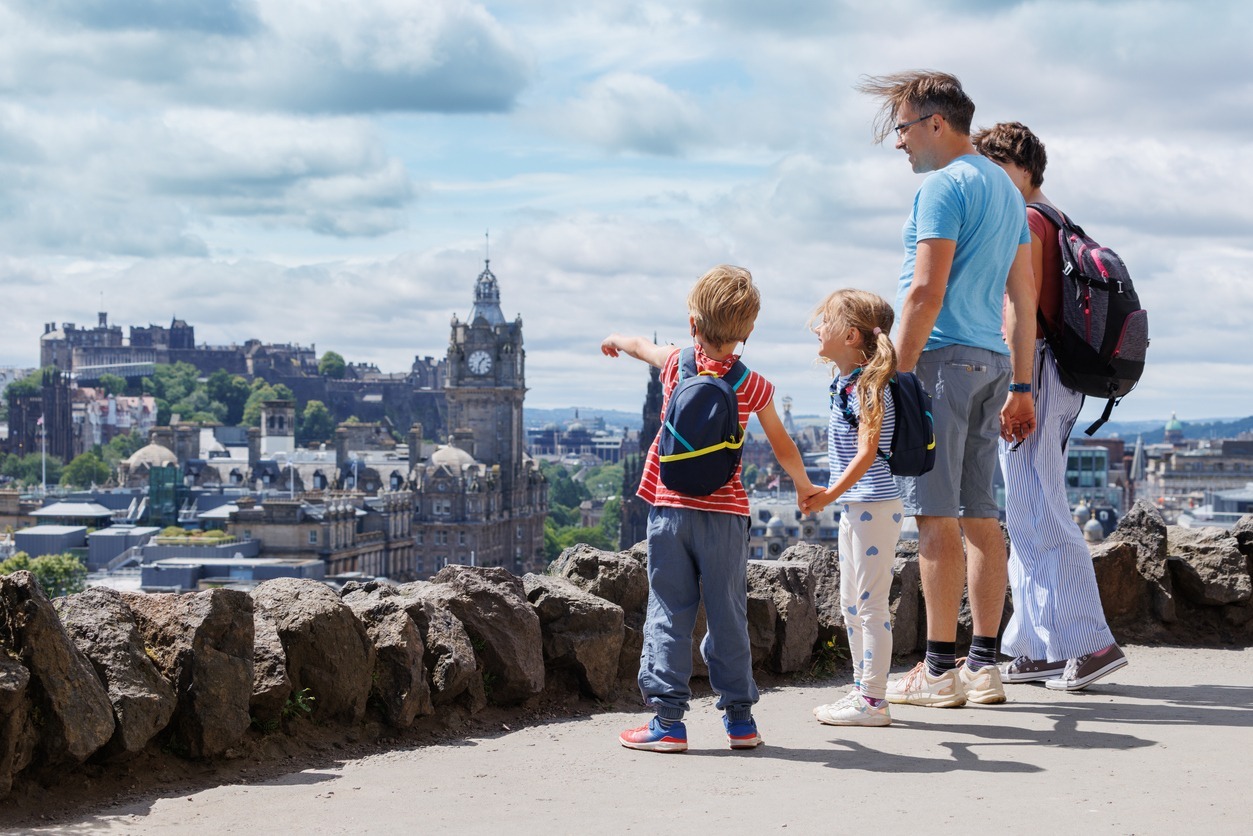 What Is a Third Culture Kid and Why Does It Matter for International School Families
A Third Culture Kid is a child who grows up in a country different from their parents’ passport country. Instead of identifying fully with one culture, they develop a blended identity shaped by multiple environments. This doesn’t mean confusion. In many ways, it creates strength. TCKs often become highly adaptable, culturally aware, and comfortable in diverse environments.
But in the same time, being a TCK can also create emotional complexity. Many TCKs describe feeling connected to multiple places, yet not fully belonging to just one. Their sense of home is often defined less by geography and more by relationships.
Researchers like David C. Pollock have described TCK identity as something that evolves over time. Each move, each school, and each friendship adds another layer to how a child understands themselves and the world.
Because of this, school environments play a central role in helping TCKs develop stability, identity, and a sense of belonging.
How Living Abroad Shapes a Child’s Identity and Sense of Belonging
Living abroad changes how children see themselves and where they feel they belong. Many Third Culture Kids develop what researchers call a flexible cultural identity. Some adult TCKs report feeling more emotionally connected to countries where they grew up than their passport country. This is sometimes referred to as an identity shift.
According to global migration data from the International Organization for Migration, more than 31 millions of children worldwide are growing up outside their parents’ home country. This makes the TCK experience increasingly common.
For these children, their relationships with friends, teachers, and school communities provide emotional stability.
This is why the international school environment becomes such an important anchor during relocation.
What Emotional Challenges Do Third Culture Kids Face During International School Transitions?
While every child's experience is wonderfully individual, TCKs often share some common threads. Each move, while potentially exciting, also involves saying goodbye to relationships and familiar routines. These 'hidden losses' can have a subtle, yet lasting, emotional impact. Research from TCK Training highlights that these transitions can be emotionally taxing, with a notable percentage of TCKs experiencing emotional challenges.
Frequent transitions during childhood can indeed influence emotional development. Those constant goodbyes can make sustaining deep friendships quite challenging, often making the immediate family the most consistent source of stability. These moves can bring feelings of loss, from losing friends and familiar surroundings to leaving behind routines and a sense of cultural familiarity.
Why Do Third Culture Kids Often Thrive in International School Environments?
Despite the inherent challenges, being a TCK really does bring numerous valuable strengths. Children in these circumstances often develop an enhanced cultural understanding, with a natural appreciation for diverse cultures. They also show high adaptability, a proven capacity to thrive in new and changing situations. They tend to become socially dexterous, with a real skill in navigating various social contexts with ease. And finally, they develop a truly global perspective, fostering a broader understanding of our interconnected world.
TCKs intuitively learn to interpret cultural cues and adjust their behaviour accordingly. Many experts view TCKs as emblematic of our increasingly connected world, representing a growing global demographic of over 31 million children living abroad with their families.
How Can Parents Support Third Culture Kids Emotionally When Moving Abroad

For parents, providing stability becomes one of the most important roles during an international move. During international transitions, the family becomes the most important source of emotional stability. There are several ways parents can gently support their child through this transition.
Foster open communication
Encourage your children to talk about their feelings regarding moves, goodbyes, and new environments. When you validate their emotions whether excitement, sadness, or confusion, you're building a foundation of trust. This becomes especially important when moving to a new country, where everything feels unfamiliar. Create safe spaces where your child feels comfortable expressing their worries, excitement, and confusion. This might mean regular family check-ins, bedtime conversations, or even journaling together.
The key is consistency and genuine listening. For instance, in a fast-paced environment like Singapore where schedules are tightly structured, you might need to intentionally carve out dedicated family time for these conversations. In a more relaxed setting like Malaysia, these discussions often happen naturally during everyday activities, but the intention to listen remains equally important.
Create family rituals that travel with you
Consistent routines help children feel grounded even when their environment changes. Simple traditions such as a weekly family dinner, weekend outings, or bedtime routines provide predictability and comfort. These rituals become emotional anchors. They remind children that even though their surroundings may change, their family connection remains constant.
Build a portable sense of community
Help your child connect with other internationally mobile families or students with similar experiences. International schools, parent groups, and local communities often provide opportunities to build these connections. When children meet others who understand what it feels like to move between countries, they feel less alone. These friendships often form quickly because of shared experiences.
Embrace both home and host cultures
Celebrate your family’s home culture while also welcoming the culture of your new country. Cook familiar meals, maintain traditions, and explore local customs together. This helps children see that they do not need to choose one identity over another. Instead, they learn that their multicultural background is something valuable and meaningful.
Ultimately, stability does not come from everything staying the same. It comes from knowing that their family remains their constant source of support. When children feel secure at home, they develop the confidence to explore, adapt, and thrive in new environments.
Why School Choice Matters for Third Culture Kids?
For many expat families, school is the first big decision after relocation. A school that understands the unique needs of TCKs can make a world of difference. When considering international school admissions, it's important to look beyond just academics. The school environment should support emotional well-being, foster a sense of belonging, and help children integrate their multiple cultural identities.
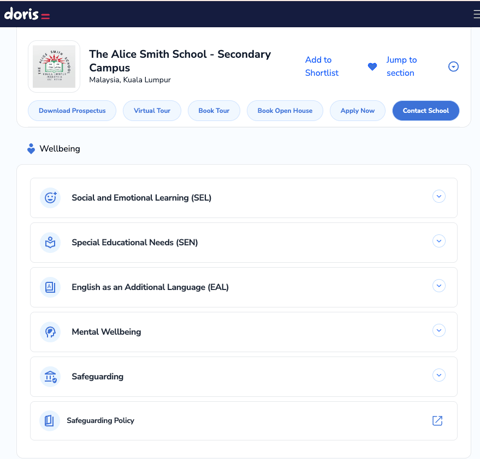
Doris Tip: Have a look at the wellbeing section on doris too. It gives you a better sense of how a school actually supports children day to day, so you can see what would truly suit your child.
Supporting Your Child Through an International School Transition
If you're a parent facing an imminent international move, the school transition can feel overwhelming. Here are some quick tips:
- Involve them in the process: Let them research potential schools with you.
- Maintain routines: Keep familiar routines in place during the move.
- Connect with the new school early: Understand their support systems for new students.
- Acknowledge their feelings: It's okay for them to be excited and sad at the same time.
Frequently Asked Questions About Third Culture Kids and International Schools
Q: What is the biggest challenge for Third Culture Kids?
A: One of the most significant challenges is navigating a sense of belonging. They often feel comfortable in many cultures but may not feel fully 'at home' in just one.
Q: How can parents help TCKs with cultural identity?
A: Parents can help by fostering open communication, creating family rituals, building a 'portable' community, and embracing all cultures their child experiences.
Q: What are the benefits of being a TCK?
A: TCKs often develop a broad worldview, high adaptability, social dexterity, and a truly global perspective.
Final Thoughts: Helping Your Child Thrive in an International School Environment
Third Culture Kids grow up juggling many cultures, creating identities that are rich, changing, and deeply connected to people. Understanding the TCK experience equips parents to recognise both the unique hurdles and the remarkable strengths inherent in this journey.
If you're moving abroad and trying to understand which international school environment will genuinely support your child, doris can help you compare options clearly and independently based on what matters most to your family. No hype. Just reassurance.
See international school options in doris