How doris generated enrolments for Nexus International School (Singapore)
Nexus joined doris before it was proven because it was doing something different. Less than a year later, the enrolments are coming in.
See how parents actually use doris to explore, compare, and shortlist international schools, with real data from the platform.
Last updated: June2026. We aim to update this article monthly.
When we introduce doris to a prospective partner school, they often ask us the same question: “How many parents are actually using your platform?”
That’s fair enough: as all marketing and admissions professionals working at international schools know, it’s very hard to catch parents’ attention. In a noisy market where the number of schools keeps growing and sifting through endless ads is a regular part of the search process for parents, attention comes at a premium.
Before signing up to doris, schools rightfully want to understand who is using the platform, whether parents meaningfully engage with it, and, most importantly, if it does what it promises to do: connecting the right families to the right schools.
Rather than just putting big, six-digit numbers on our website, we want to be fully transparent and show you that yes, parents use doris in growing numbers, the engagement is real, and give you a snapshot of where they are coming from.
Since the inception of doris, 911,000+ parents have used doris to find the right international school for their children. These are unique users visiting the platform
While doris was founded in late 2024, we only started meaningfully promoting it to parents in Summer 2025 by advertising it on Google and Meta, publishing content optimised for SEO and AIO (AI optimisation), and engaging with parent communities.
What you’re seeing in the graph below is that growth over time. Back in August, around 2,000 unique parents were using doris each month. By January, that number had grown to 21,000. In April, we had 181,000, averaging a 110% month-on-month growth!
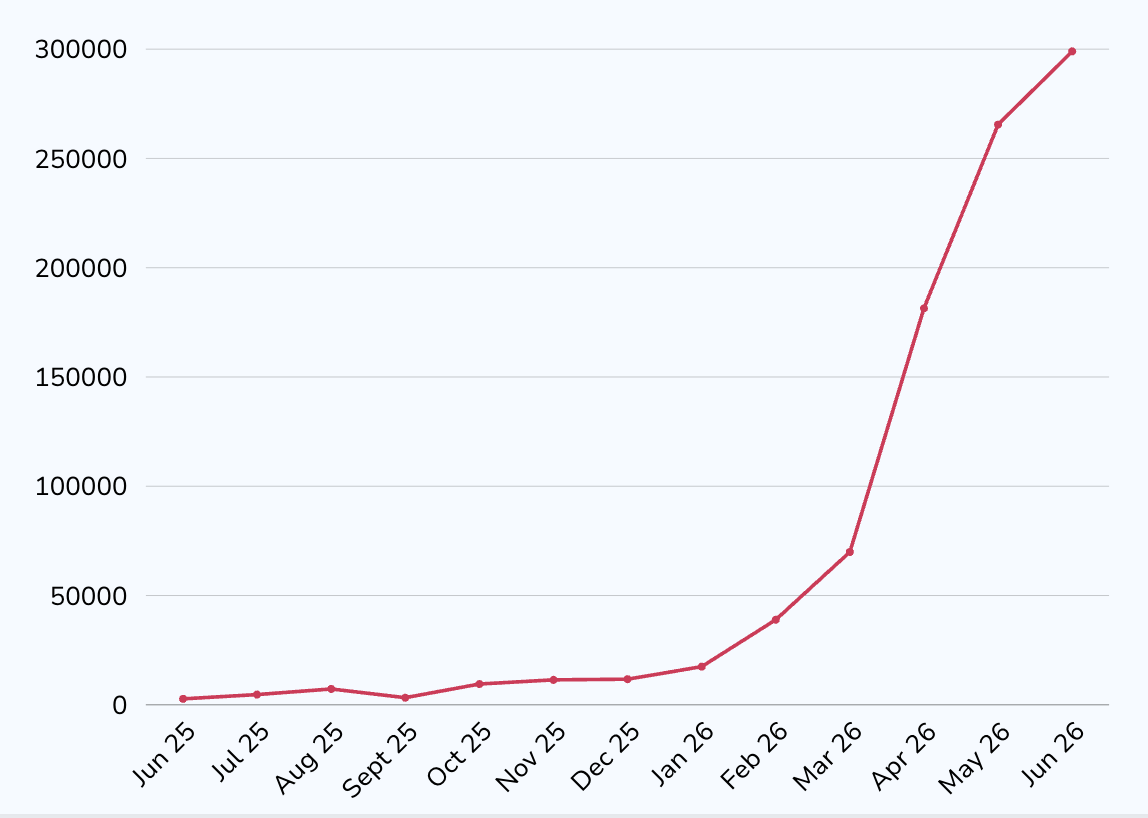
A mix of social, and SEO and AIO-optimised content, plus some paid advertising - 78% of traffic is actually organic!
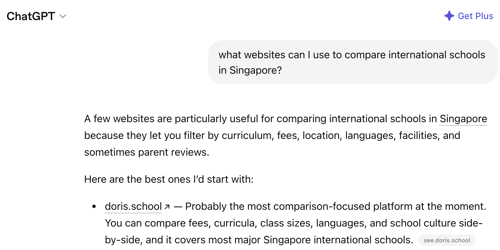
We're also finding that doris is getting increasingly mentioned in AI overviews. If you ask ChatGPT to recommend the best website to compare international schools, doris will be the at the top of the list (try it yourself!)
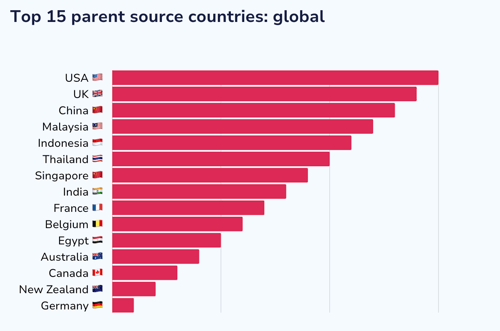
doris is used by parents all over the world to search for the right international school for their children. A big slice of them are Western expats planning a move abroad, but the platform is also used by local parents who want to help their children excel academically.
This chart shows the top 15 countries where parents using doris are based while they explore and research school options. It’s worth clarifying that this demographic spread has been influenced by a few factors:
At the start of the year, we expanded to the Middle East, and then added schools from all over the world. The region is growing steadily even in the current geopolitical environment, and led to the rise in the user ranks of countries like Egypt and (non-pictured) Jordan.
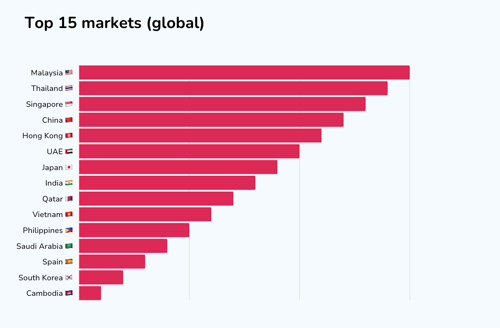
Conversely, the chart below shows which key markets are the most popular among doris’ parent users based on schools profiles viewed.
Unsurprisingly, the markets showing the strongest traction are those where doris launched first. Since expanding into East Asia in early January 2026, Japan and South Korea have gained a few positions, with schools there now receiving a few hundred profile views each week.
As mentioned earlier, Middle Eastern countries are growing too - particularly the United Arab Emirates and Qatar.
300,000 parents visit doris every month, which is all well and good, but schools also want to know what happens once they’re there. Are parents actively using the platform to explore and compare options, and are they taking steps that move them closer to enrolment?
The answer is yes.
Taken together, this data gives a pretty clear picture of how doris is being used during the discovery journey. Parents land on doris, find it useful, spend time exploring and comparing schools, and take steps that often take them out of the platform and put them directly in contact with schools.
For schools, this usually means doris shows up earlier in the process, while parents are still figuring things out and forming opinions about fit. By the time they click through to a school website or book a tour, they have a much clearer idea of what they’re looking for and why that school might work for them.
A final note to say that while the data shown here refers to global usage, we have region-specific insights too. If you want to know more about how parents are searching for schools in your market, let us know by scheduling a chat with us. Nik, our founder, will be happy to talk you through it.

Nexus joined doris before it was proven because it was doing something different. Less than a year later, the enrolments are coming in.
When parents ask ChatGPT or Gemini where to compare international schools, doris comes up first. Here's how we got there, and what it means for...
AI is driving enrolments for Rugby School Japan. Here's why the school is investing in doris to boost AI visibility and stay ahead of the curve.