.svg)
-1.png?width=50&name=Team%20pics%20(2)-1.png) By
·
4 minute read
By
·
4 minute read
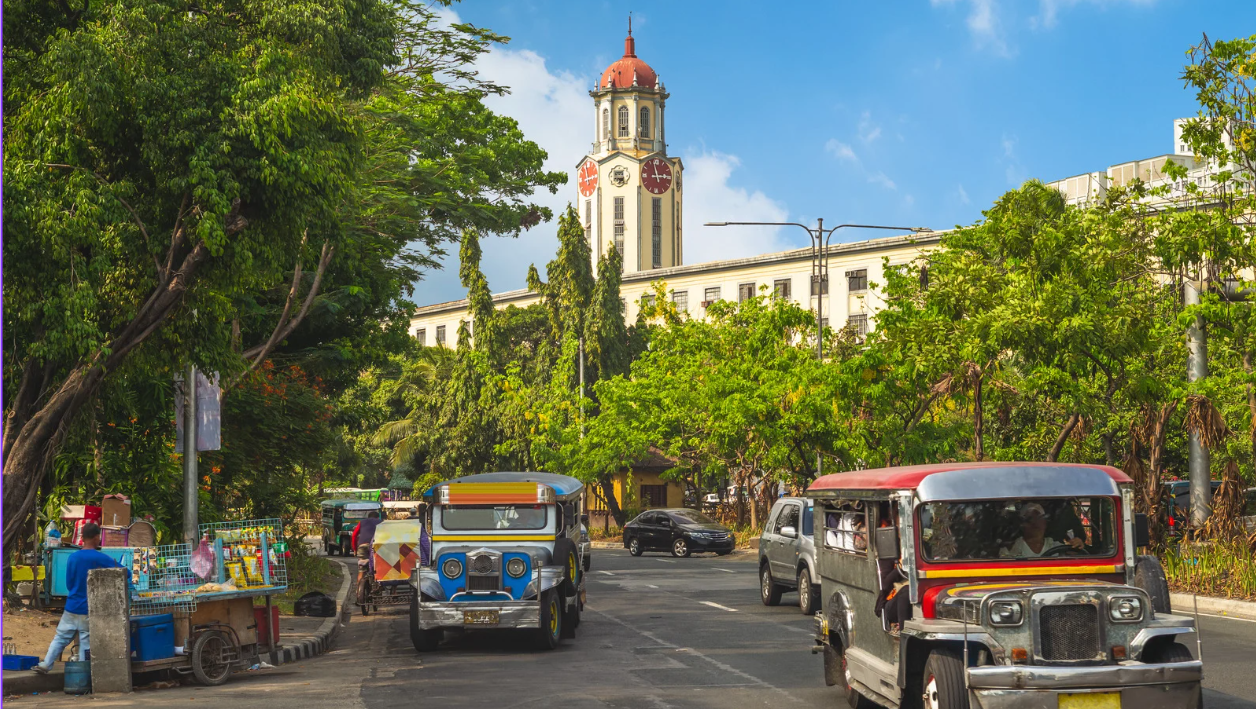
Relocating abroad is an exciting step for expatriate families, and the Philippines continues to attract growing interest thanks to its strong quality of life, affordable cost of living, and welcoming local culture.
With over 30 international schools across cities such as Manila and Cebu, families can choose from a wide range of British, American, and International Baccalaureate (IB) curricula. Annual tuition typically ranges from PHP 150,000 to over PHP 900,000 (USD 2,700–16,000), offering flexibility across different budgets. The country’s English-speaking environment and active school communities also help students adapt both socially and academically.
To help families navigate these options, below is a curated list of international schools across the Philippines. This list is for informational purposes only and does not rank or endorse any institution.
List of International Schools in Philippines
The schools listed below are part of the current selection on doris and are provided for informational purposes only. doris does not rank or endorse any institution, and all information is based on publicly available sources.
|
School |
City |
Curriculum |
|
Manila |
An American curriculum with the IB Diploma Programme, emphasising inquiry-based and internationally minded learning |
|
|
Manila |
Blends the English National Curriculum with IGCSE and the IB Diploma Programme. |
|
|
Manila |
IB Diploma Programme within a student-centred, holistic learning approach. |
|
|
Manila |
English National Curriculum with IGCSE and A Levels, enriched by global collaborations. |
|
|
Manila |
Blends a K–12 curriculum with the IB Diploma Programme, with an interdisciplinary, student-centred approach. |
|
|
Olongapo City |
Offers the IB Diploma Programme within a holistic, student-centred curriculum. |
|
|
Cebu |
a full IB continuum with an inquiry-based, transdisciplinary approach. |
|
|
Angeles |
Full IB continuum with an inquiry-based, globally focused approach. |
|
|
Manila |
Blends the Singapore curriculum with IGCSE, A Levels and the IB Diploma Programme. |
|
|
Manila |
Blends Singaporean and American curricula, with Advanced Placement (AP) in senior high. |

Accreditation and Curriculum Options at Philippine International Schools
US Accredited or US Style Curriculum
Schools such as International School Manila typically follow American academic standards, offer Advanced Placement courses, and hold recognised accreditation. This pathway supports smooth credit transfer and university entry, particularly in the United States and other international destinations.
British and European Systems
Schools including The British School Manila and Nord Anglia International School Manila follow the English National Curriculum or other European frameworks. These programmes commonly lead to qualifications such as IGCSEs and A levels, or equivalent European diplomas.
International Baccalaureate
Some schools in Manila and beyond, such as Cebu International School, offer the International Baccalaureate. This globally recognised programme emphasises inquiry based learning and is widely accepted by universities worldwide.
Tuition Fees at International Schools in the Philippines
International schools in the Philippines, including Manila, Cebu, and other cities, offer a wide spectrum of options from budget to premium, covering British, American, and International Baccalaureate curricula.
Annual tuition for budget schools typically ranges from around PHP 150,000 to 280,000 (approximately USD 2,700–5,000), mid-tier schools cost roughly PHP 320,000 to 550,000 (USD 5,800–10,000), and premium schools can charge between PHP 600,000 and 950,000+ (USD 10,800–16,000+).
Tuition often increases in secondary and exam years, and additional costs such as enrolment fees, uniforms, books, transport, learning support, and board exams are usually not included. Families should review full fee schedules and consider long-term costs to make an informed choice.
Admission Requirements for International Students
To enrol in an international school in the Philippines, students generally need to submit the following documents:
- A completed admission form and health form,
- Original school records (authenticated if from abroad),
- A recommendation form (for certain grades),
- A good moral certificate,
- Birth certificate,
- Medical certificate, and
- ID photos.
For foreign students, additional requirements include a valid passport, visa documentation, and in many cases a Special Study Permit (SSP) issued by the Bureau of Immigration. Students may also need to process a Student Visa or visa conversion, depending on the type and duration of stay. The SSP or Student Visa must be obtained at the start of the school year, typically within the first two weeks, and may take several weeks for processing.
Failure to obtain or renew the required permits can result in fines or other penalties for both the student and the school. Schools often assist with the application process to ensure compliance with Philippine immigration rules. It is recommended that foreign students and parents plan ahead and submit all required documents promptly to avoid delays.
Key Factors to Consider When Choosing an International School
When evaluating international schools in the Philippines, it’s important to consider several factors to ensure the best fit for your child. Look at the school’s mission, values, and educational approach, as well as teacher qualifications, class sizes, and teacher-to-student ratios. Consider academic expectations such as homework, grading policies, and the range of curricula offered, including British, American, or International Baccalaureate programs.
Extracurricular activities, technology use in the classroom, student life, and opportunities for parental involvement are also key aspects. Tuition fees, what they cover, and overall annual costs should be reviewed carefully, along with additional support services like learning assistance or EAL programs. Preparing a tailored list of questions before visiting a school can help guide discussions with administrators and teachers, ensuring that the school aligns with your child’s learning needs, interests, and long-term development goals.
To see more, read our full guide Questions to Ask International Schools: A Checklist for Expat Parents
Frequently Asked Questions About International Schools in the Philippines
Q: What curricula are offered by international schools in the Philippines?
A: Schools offer British, American, or International Baccalaureate (IB) programmes, and some blend multiple curricula.
Q: How much does it cost to attend an international school?
A: Annual tuition ranges from PHP 150,000–950,000+ (USD 2,700–16,000+), depending on school tier and curriculum.
Q: Are there additional costs beyond tuition?
A: Yes, additional expenses may include enrolment fees, uniforms, books, transport, learning support, and board exams.
Q: What documents are required for admission?
A: Local students need admission forms, school records, recommendation forms, birth certificate, medical certificate, and ID photos. Foreign students also require a valid passport, visa, and in many cases a Special Study Permit.
Q: When should foreign students apply for the Special Study Permit or Student Visa?
A: Applications should be submitted within 15 days of the school’s acceptance notice, usually processed during the first two weeks of the school year.
Q: How can parents choose the right school?
A: Consider school mission, academic programmes, teacher qualifications, class size, extracurricular activities, fees, and parental involvement. Prepare a list of tailored questions before visiting.