View ASHK profile
](https://hubspot-no-cache-eu1-prod.s3.amazonaws.com/cta/default/145372008/interactive-352774118605.png)](https://blog.doris.school/hs/cta/wi/redirect?encryptedPayload=AVxigLKxbBiRdPl4tut4vuKTXpx01%2B9V326Q7jamMRbuT%2FKcnpSP75AVDts7%2BanyTL3mo10Z1KaL7zh38ike%2BFGJe8ZwhyClhN%2BzzNhNmjpgWx4CJs3FIC2m3kRVN7qM6MadYM8Yxake%2FH%2FGmXhquANfM7QVdVvfFK7orKXcg2uk0kJstR%2BCN8wDQZ6OJL1NpiShMhCyiCeFjyqKUnbKk1z1YowVPDChEmad&webInteractiveContentId=352774118605&portalId=145372008) When you start looking at schools, the first things you weigh up are usually the curriculum, the teachers and the facilities. There's another factor that's easy to miss: the organisation that runs the school. Whether a school is independent or part of a wider group can shape a lot of what happens day to day, from how it's staffed to how it copes when something goes wrong. It's worth understanding what that difference means in practice, and where it does and doesn't tell you something useful. ## **What does a long track record actually give a school?** ##  Longevity on its own isn't a guarantee of quality, but it tells you something: an operator that has run schools for decades has usually already tested systems and settled on one that works on your child's year group. It has been through changes in curriculum thinking, in technology and in what families expect, and kept going. ## **How does being part of a network help, and where are the limits?** A school that belongs to a wider group can share things a standalone school has to build alone: lesson resources, teaching approaches, data on what's working, and staff development across sites. Esol Education, for instance, is an example of a group that runs schools across several countries and brings leaders together to compare notes on teaching and planning. When one school finds a better way to teach a topic or use technology, others in the group can pick it up. The caveat is that a network is not so much a result, but a resource. Plenty of independent schools are excellent, and being part of a group doesn't automatically mean a school uses those shared resources well. When you consider a school that belongs to a group, it’s always worth asking how it draws from its network in more detail. **What does the operator mean for teaching staff?** **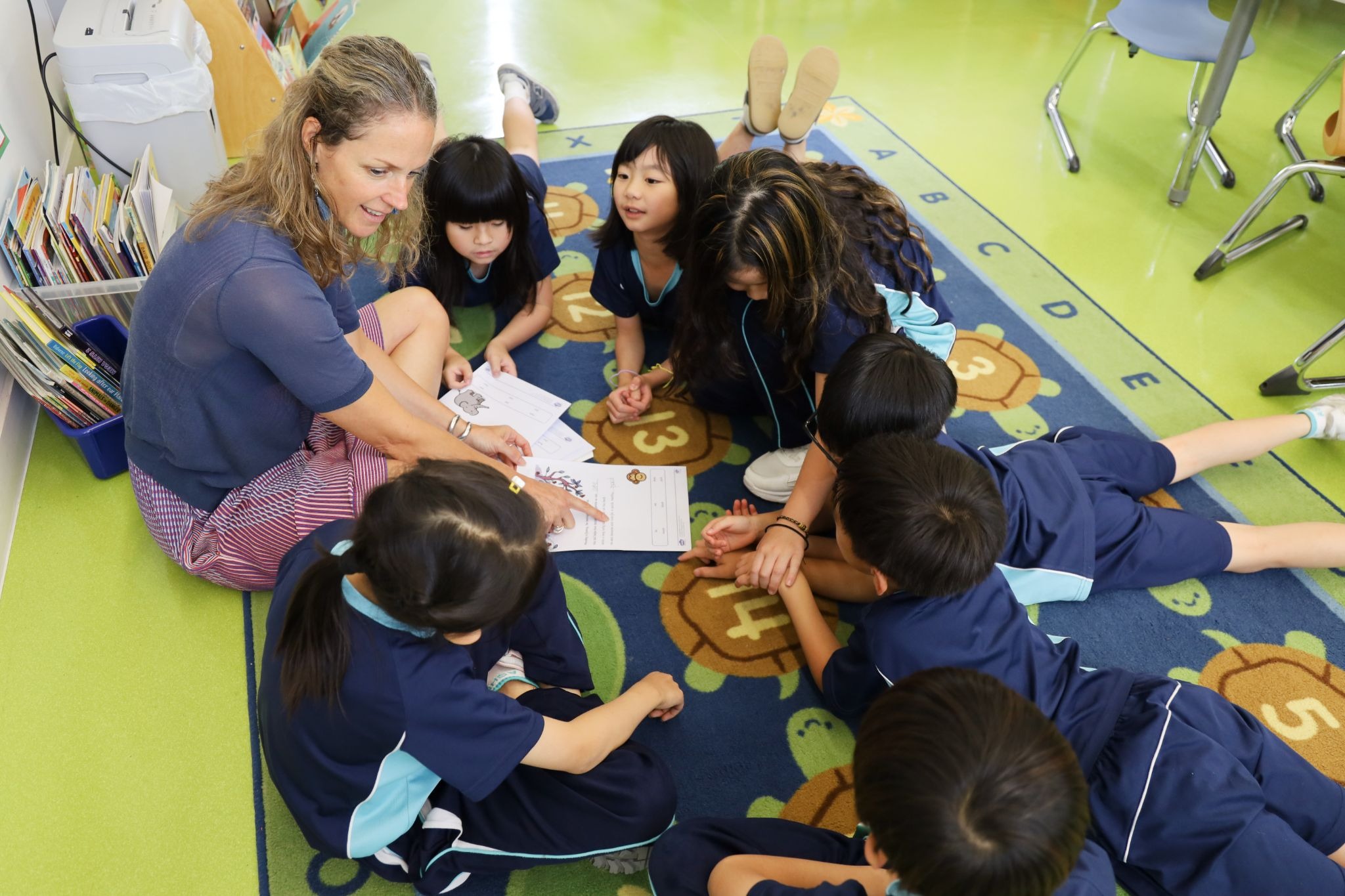** A larger group can have an easier time attracting experienced staff, partly because it can offer training, mentoring and the chance to move between schools over a career. That can help a school hold on to good teachers and boost staff retention, therefore ensuring stability. But again, every school - and school group - is different. When you visit, you should ask about staff turnover and how long teachers tend to stay, whatever the size of the organisation behind the school. ## **How do schools cope when things go wrong?** The pandemic showed how much operational strength matters. Schools with clear frameworks moved to online learning faster, kept communication going with families and had contingency plans ready, which limited the disruption to children's learning. A well-run operator is more likely to have those plans in place before they're needed. Some groups also operate in parts of the world that have faced economic or political instability, which tests their planning in harder conditions. For parents, the practical question is simple: if something unexpected happens, does the school have a plan, and can it keep learning going? ## **What about relocating families?** **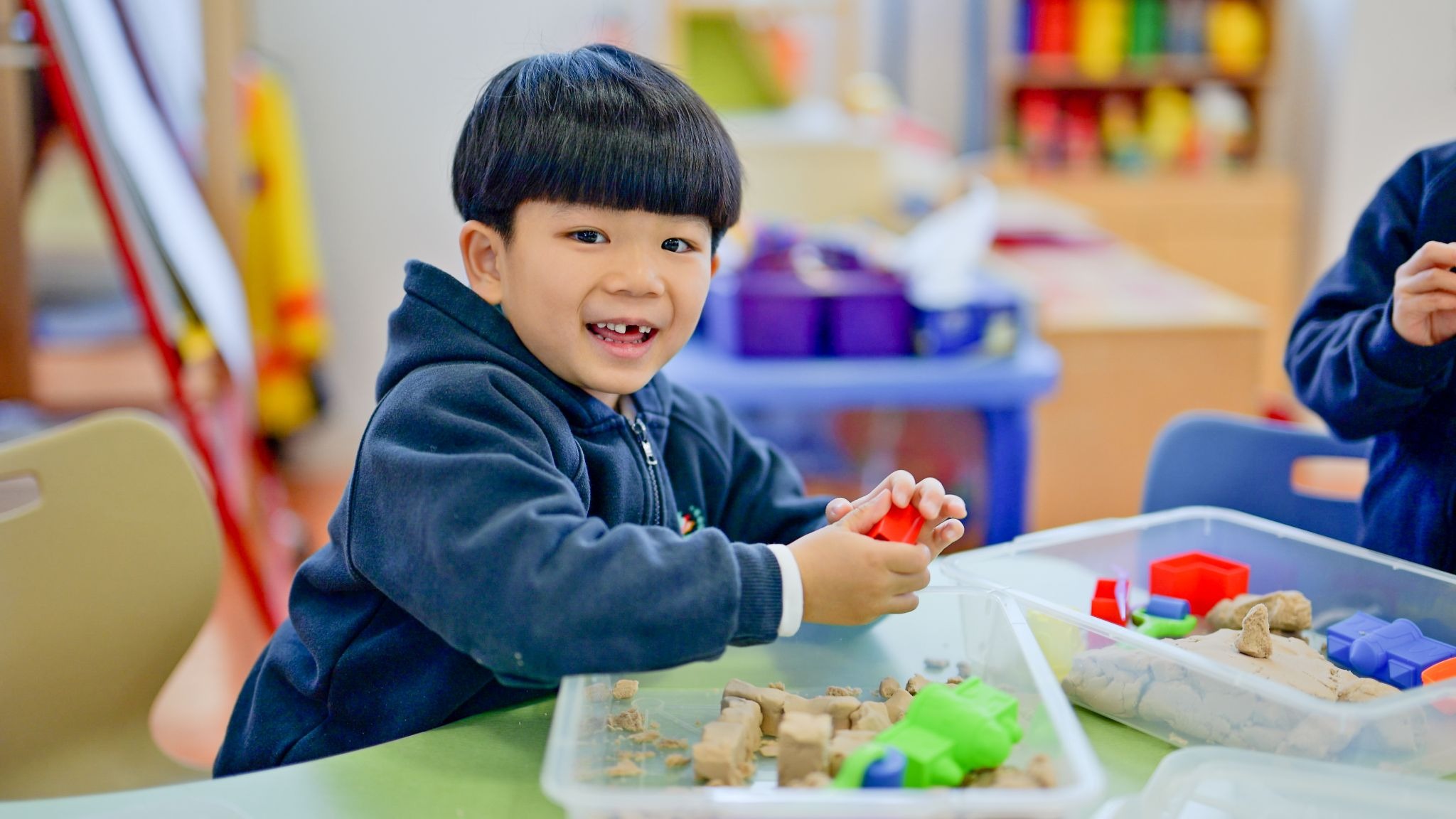** Many families choosing an international school are also settling into a new city. A school used to supporting arrivals from abroad tends to have smoother admissions, help with transfers, language support and a way of bringing new families into the community. If you're moving between schools within the same group in different countries, the shared curriculum and values can make the change less unsettling for children, since more of what they know carries over. ## **Questions worth asking** If you're weighing up who runs a school, a few questions cut through: - How long has the operator run schools, and how stable has the leadership been? - If it's part of a group, how does this school actually use the wider network? - What's staff turnover like, and how is teaching development supported? - What happens to learning if the school has to close or move online? - How does the school support families who are new to the country? The organisation behind a school is one piece of the picture, not the whole of it. It's worth understanding, alongside the things you'd look at anyway: the curriculum, the teaching, the fit for your child. [](https://blog.doris.school/hs/cta/wi/redirect?encryptedPayload=AVxigLJTJB6JT7PNAQRVXGpytA8PwrrjEs3BNNl2rD2pDpHwE3BT1TrQaVzw27cRHyJxEhdihxbyhsiCsFbigVnyhoGhMpaPq1louwLrnAGoeM%2FzT%2Byi1ybgjnPma0DTDVM0tH9xeBwat%2F7dkn3EG1x4eZpuY54ob7h9ns1Nq2Ac&webInteractiveContentId=433169900752&portalId=145372008) doris is a free, impartial international school discovery platform designed to help parents find the right international school for their children worldwide. Every school profile includes fees, curriculum, admissions, pupil numbers and more. Parents can compare schools, contact schools directly, access expert parent guides, and connect with a community of parents around the world. ### Featured posts Share [facebook-f icon](http://www.facebook.com/share.php?u=https://blog.doris.school/why-the-organisation-behind-a-school-matters) [linkedin-in icon](http://www.linkedin.com/shareArticle?mini=true&url=https://blog.doris.school/why-the-organisation-behind-a-school-matters) [twitter icon](https://twitter.com/intent/tweet?url=https://blog.doris.school/why-the-organisation-behind-a-school-matters) [pinterest-p icon](http://pinterest.com/pin/create/link/?url=https://blog.doris.school/why-the-organisation-behind-a-school-matters) [envelope icon](mailto:?body=https://blog.doris.school/why-the-organisation-behind-a-school-matters) [.svg "doris-logo-dark (1)")](http://doris.school) [facebook-f icon](https://www.facebook.com/doris.school/) [linkedin-in icon](https://www.linkedin.com/company/91639588/admin/dashboard/) [youtube icon](https://youtube.com/@dorisschool?si=i-IRKerbVnHd0vLi) [instagram icon](https://www.instagram.com/doris.school/) **Learn more** [About doris](https://tips.doris.school/about) [Parent Guide](https://tips.doris.school/international-school-guide) [Transparency Charter](https://tips.doris.school/transparency-charter) © 2026 doris Worldwide Ltd. All rights reserved. ```json { "@context" : "https://schema.org", "@type" : "BlogPosting", "author" : { "@type" : "Person", "name" : "doris Team", "url" : "https://blog.doris.school/author/doris-team-1" }, "dateModified" : "2026-08-11T12:55:01.428Z", "datePublished" : "2026-08-11T12:55:01.000Z", "headline" : "Why the organisation behind a school matters", "image" : [ "https://blog.doris.school/hubfs/undefined-Aug-11-2026-12-20-42-2289-PM.jpeg" ], "mainEntityOfPage" : { "@id" : "https://blog.doris.school/why-the-organisation-behind-a-school-matters", "@type" : "WebPage" }, "publisher" : { "@type" : "Organization", "logo" : { "@type" : "ImageObject", "url" : "https://blog.doris.school/hubfs/doris_logo_dark%20(1).png" } } } ``` ```json { "@context" : "http://schema.org", "@type" : "Article", "author" : { "@type" : "Person", "name" : [ "doris Team" ] }, "datePublished" : "2026-08-11T12:55:01+0000", "description" : "Discover why the organization behind a school matters, from staffing to support for families, and how it influences your child's education experience.", "headline" : "Why the organisation behind a school matters", "image" : "https://145372008.fs1.hubspotusercontent-eu1.net/hubfs/145372008/undefined-Aug-11-2026-12-20-42-2289-PM.jpeg", "publisher" : { "@type" : "Organization", "logo" : { "@type" : "ImageObject", "url" : "https://145372008.fs1.hubspotusercontent-eu1.net/hubfs/145372008/doris_logo_dark%20(1).png" }, "name" : "Doris Worldwide Ltd" }, "url" : "https://blog.doris.school/why-the-organisation-behind-a-school-matters" } ```