.svg)
.png?width=50&name=Untitled%20design%20(4).png) By
·
2 minute read
By
·
2 minute read
This is a guest blog from Hong Kong Academy (HKA), a non-profit international school in Sai Kung. Founded in 2000, HKA teaches children from ages 3 to 18 and is one of only eight schools in Hong Kong authorised to run all three International Baccalaureate programmes, from the Primary Years through to the Diploma. Its community brings together families from more than 35 nationalities, and its approach is personalised and student-centred, with as much attention paid to how children learn as to what they learn. You can find out more at hkacademy.edu.hk.

Beyond the classroom walls: why a whole-school experience matters in early childhood
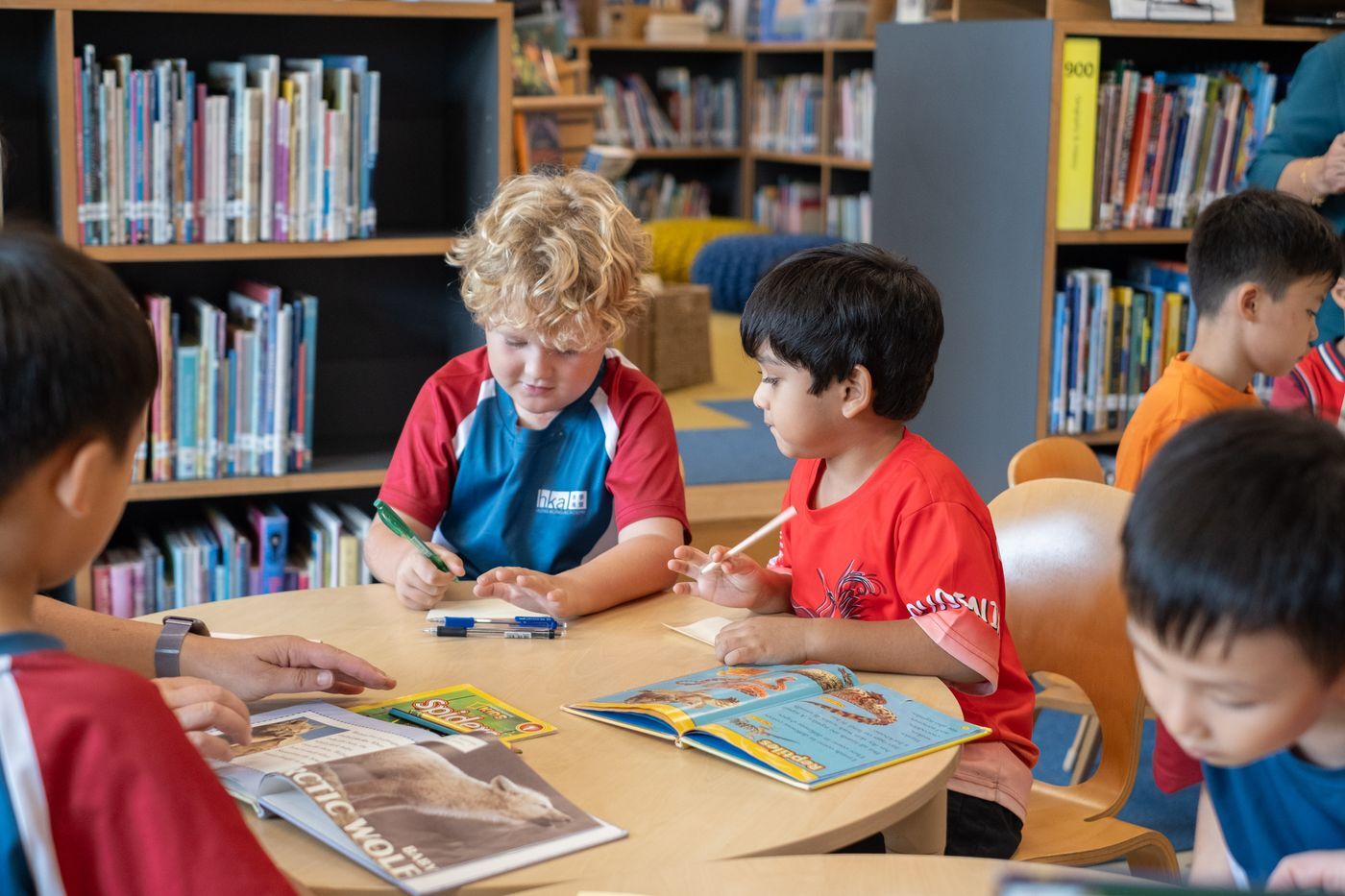
Early childhood education is changing. Teaching is moving away from desk work and rigid instruction towards something richer: a whole-school approach, where young children learn across the whole campus and through every subject.
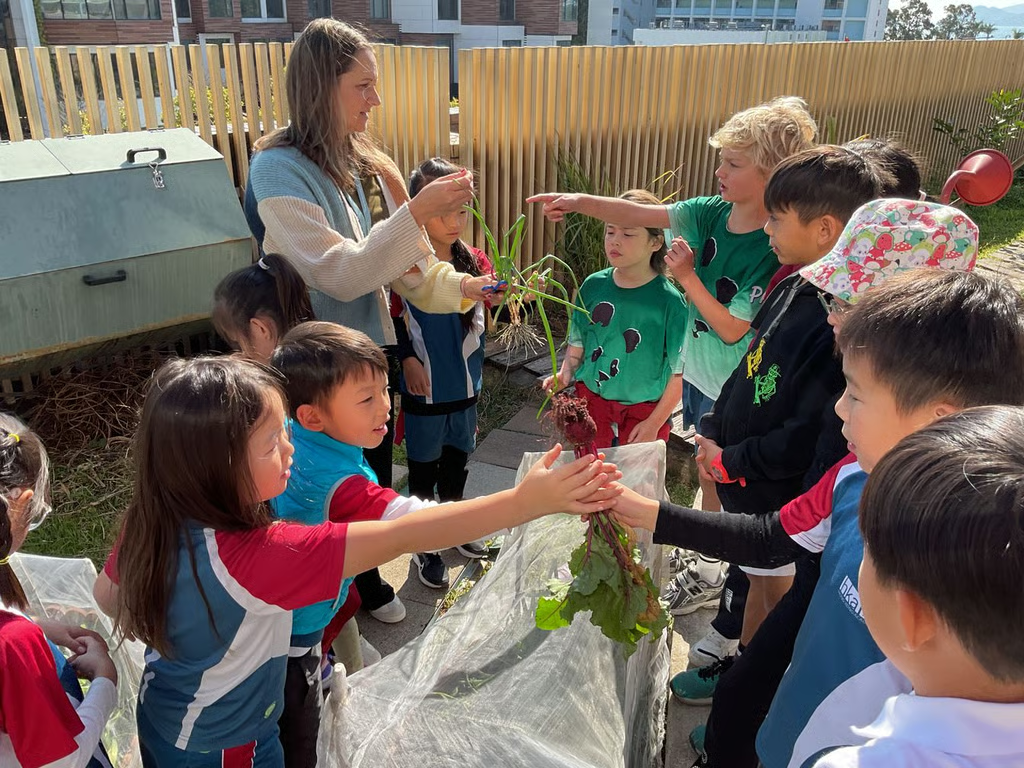
When young children get to explore real environments, from gardens and workshop tables to kitchens and outdoor streams, they take away more than facts. They build the kind of resilience and confidence that helps them handle whatever comes next.

The value of a whole-school approach
Young children are natural all-rounders and holistic learners. They don't split maths from art, or science from play. So when a school opens up its whole campus to its youngest learners, it works with that instinct instead of against it, and helps them connect ideas to real life.
Concepts they meet in the morning mean more when they put them to use later that day.
Working with real materials, like clay or soil, helps learners builds fine motor skills and spatial awareness. And handling actual tools in real settings teaches them to weigh up small risks, and to treat a first failure as useful information.
Looking after the whole child
A real whole-school approach knows that discovery has to sit alongside rest and emotional security. Young minds need quiet time to make sense of what they've found. Mixing busy project work with proper downtime, with familiar comfort items and a good story, keeps children settled and keen to carry on exploring.
Food is important too. When a school treats its dining hall as part of the learning, cooking fresh meals from scratch and letting children try new cuisines without any pressure, mealtimes become a lesson in community and in being open to something new.
|
Learning Element |
Traditional Approach |
Whole-School Experiential Approach |
|
Environment |
Confined to a single classroom |
The whole campus, gardens and surrounding nature |
|
Tools & Materials |
Worksheets and plastic toys |
Real tools, raw textiles, living soil and authentic media |
|
Skill Building |
Compartmentalised subjects |
Integrated maths, science, art and physical agility |
|
Community |
Isolated to peer group |
Shared spaces with specialist educators, chefs, older student buddies and parents |
Bringing families in
.png?width=2000&height=1333&name=Hong_Kong_Academy%20(1).png)
Children do best when the line between home and school is easy to cross. Inviting parents into these spaces lets families see for themselves how relationships form and how far the children's questions go.
When parents join a design challenge with their child, or share in the everyday rhythm of the campus, school stops being something that happens to a child. It becomes something the whole community is part of. Let the learning spill outward, and children feel safe enough to take a leap and grow into confident, curious learners.
doris is a free, impartial international school discovery platform designed to help parents find the right international school for their children worldwide. Every school profile includes fees, curriculum, admissions, pupil numbers and more. Parents can compare schools, contact schools directly, access expert parent guides, and connect with a community of parents around the world.